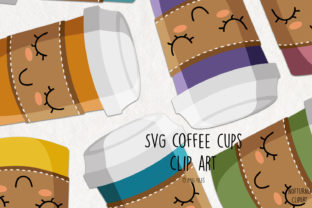
Coffee Cups Clip Art
First Impressions: Warm, Friendly, and Ready for Stitching
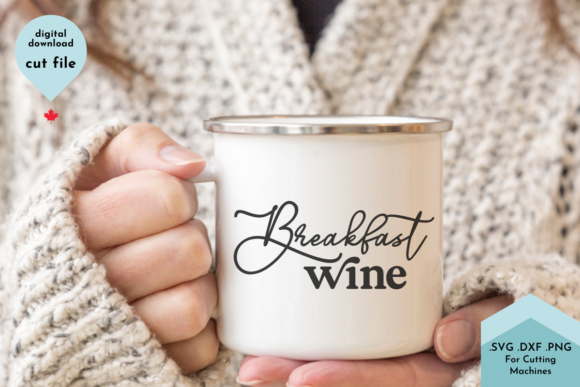
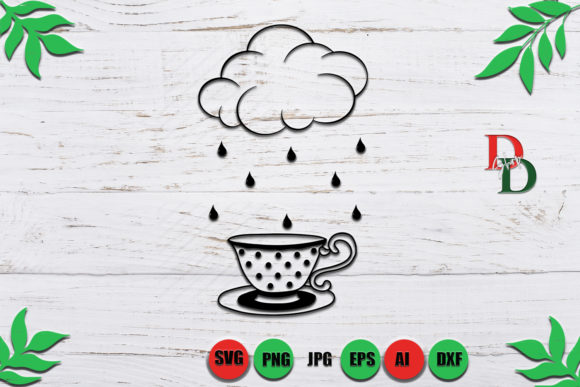
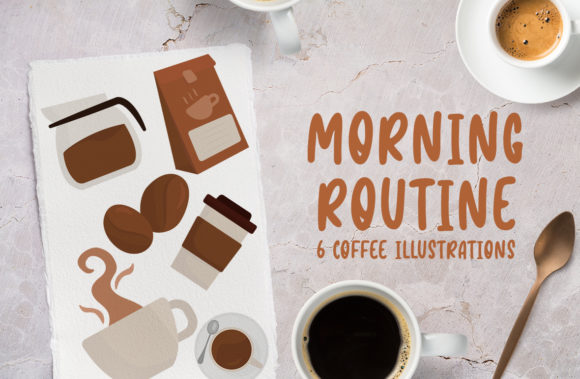
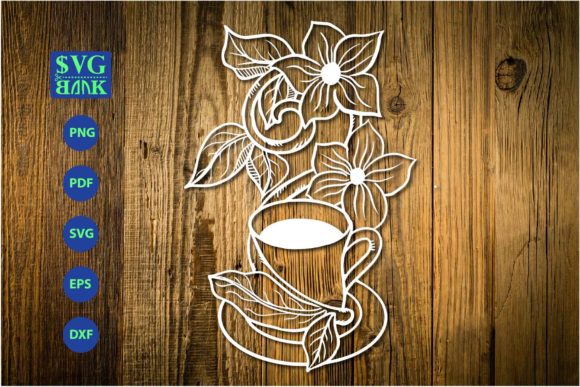
Opening Coffee Cups Clip Art feels like flipping through a well-loved sketchbook—simple but intentional. These 15 designs aren’t overly detailed or fussy; they lean into clean outlines, gentle curves, and subtle charm. Think steam curls that taper naturally, cup handles with just enough weight, and saucers that sit comfortably beneath each mug. It’s not “cute overload”—it’s approachable, consistent, and quietly versatile. As an embroidery designer who’s stitched hundreds of beverage-themed motifs, I immediately saw where these would land best: on relaxed, handmade products where warmth matters more than wow-factor.
A Real Project Test: Embroidering a Linen Kitchen Towel
Last week, I used one of the mugs from Coffee Cups Clip Art to embroider a set of linen tea towels for a local café’s holiday gift bundle. I chose a mid-sized design (roughly 3.2" wide) with minimal interior detail—no tiny hearts or script text—just a classic mug with soft steam. On tightly woven linen, it stitched cleanly with satin stitch for the outline and light fill stitch for the cup body. No puckering. No thread breaks. Customers loved how legible and tactile it felt—not too busy, not too sparse. That’s the sweet spot this collection lives in: understated clarity that reads well at arm’s length and holds up under daily use.
Where It Shines (and Where It Needs Care)
Coffee Cups Clip Art works beautifully for:
- Custom apparel: Sweatshirts, crewnecks, and tote bags—especially when placed on chest or pocket areas where scale and simplicity win.
- Baby embroidery: Soft mugs on onesies or burp cloths read as gentle and gender-neutral, without overwhelming delicate fabric.
- Embroidered patches: Several designs have strong silhouettes and open negative space—ideal for iron-on or sew-on patches on denim jackets or backpacks.
- Holiday and boutique merchandise: Pair with neutral thread colors (cream, charcoal, olive) for a cohesive small shop product line—think aprons, pillow covers, or ceramic mug sleeves.
- Digital embroidery file prep: The SVG + PNG combo makes it easy to resize, trace, or convert for machine embroidery software—great for Etsy sellers building digital embroidery file bundles.
But be thoughtful in these situations:
- Small hoop sizes: Avoid the most intricate mugs if you’re stitching inside a 3"x3" hoop—the steam lines or handle details may compress awkwardly.
- Stretchy or textured fabrics: On knits or terry cloth, test stabilizer first. Thin outlines can blur if the base fabric shifts during stitching.
- Dark or heavily printed backgrounds: Since the PNGs include transparent backgrounds, always preview your design over both light and dark mockups—some lighter steam elements may need slight contrast adjustment.
- Curved surfaces like caps: Stick to the bolder, more compact mugs. Avoid those with long, thin steam swirls—they’ll distort near the crown seam.
- Frequent-wash items: Choose medium-density stitch settings. Overly dense fill stitches on lightweight cotton can stiffen and crack after repeated laundering.
What It Adds to Your Handmade Product—and What It Doesn’t
Coffee Cups Clip Art doesn’t shout. It invites. That’s its strength. When stitched onto a canvas tote or embroidered patch, it signals care—not perfection. Customers notice that difference. A well-executed mug motif says “I made this for someone who loves their morning ritual,” not “I slapped on a trend.” That quiet intention builds trust, especially for Etsy sellers and craft fair vendors whose buyers value authenticity over polish.
It also supports brand consistency. If your shop leans into cozy, minimalist, or cottage-core aesthetics, these mugs reinforce that voice across product categories—whether it’s a printable mockup for your website, a stitched apron for your kitchenware line, or a digital embroidery file sold alongside coordinating floral graphics.
Practical Designer Notes Before You Stitch
Before loading Coffee Cups Clip Art into your embroidery software or sending it to production:
- Test on scrap fabric first—especially if using textured weaves or blends. Linen, cotton duck, and midweight twill all behaved well; jersey and rayon challis needed tear-away + cut-away stabilizer combo.
- Check thread color contrast. A light tan mug on oatmeal fabric looked lovely—but nearly vanished on ecru. Always hold up your thread against your fabric under natural light.
- Review stitch density. Some mugs include subtle shading via layered fill stitches. If you’re embroidering on thin baby onesies, simplify those layers manually or reduce density by 15–20%.
- Confirm hoop size compatibility. Resize thoughtfully—don’t stretch beyond 120% of original dimensions unless you’ve tested the result.
- Inspect small details. Zoom in on steam ends and cup rims. If they’re hair-thin in the SVG, they may disappear entirely when converted to a low-stitch-count embroidery file.
- Try black-and-white mockups. This reveals balance and readability faster than color previews ever will.
- Verify licensing. Since Coffee Cups Clip Art is listed as Graphics for Crafts, confirm whether commercial use (e.g., selling finished embroidered totes or digital files) is permitted before launching your product.
Final Thought: A Reliable Tool, Not a Trend
This isn’t a flashy, viral-ready graphic—it’s a quietly capable design asset. As a working embroidery designer, I reach for Coffee Cups Clip Art when I need warmth without whimsy, clarity without clutter, and versatility without compromise. It fits naturally into real projects: a personalized gift for a new barista, a small shop’s seasonal kitchen line, or a craft business’s next best-selling digital embroidery file. It won’t solve every design challenge—but for coffee lovers, makers, and mindful sellers, it’s exactly the kind of grounded, usable graphic that earns repeat use, not one-time downloads.