United States, Essential Oils
A Designer’s First Look: Clean, Calm, and Craft-Ready
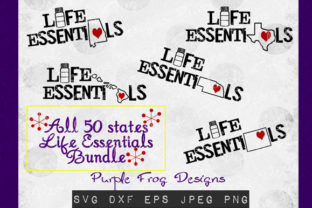
When I opened United States, Essential Oils, I wasn’t scanning for novelty—I was checking for intention. This isn’t a loud patriotic graphic or a botanical overload. It’s a quiet, confident blend: the familiar outline of the U.S. map softened with subtle essential oil icons—lavender sprigs, eucalyptus leaves, citrus slices—nestled organically within state boundaries. The mood is grounded, wellness-adjacent but not clinical; artisanal, not mass-produced. As an embroidery designer who’s stitched everything from baby onesies to boutique aprons, I immediately saw its sweet spot: personalized gifts that feel thoughtful, not trendy.
Real Project Test: A Linen Tote Bag for a Local Wellness Studio
Last week, I used United States, Essential Oils on a natural linen tote for a small herbal apothecary’s holiday pop-up. I chose the California outline (with its delicate sage icon) and stitched it centered on the front panel using a medium-density fill stitch and satin-stitched borders. The result? Crisp, legible, and quietly sophisticated—no pixelation, no thread nesting, no awkward gaps. Customers paused. They touched the texture. They asked, “Is that real lavender in the design?” That’s the signal: when a machine embroidery design invites conversation, it’s doing its job.
Where It Shines—and Where to Pause
United States, Essential Oils works beautifully across custom apparel and handmade products—but not uniformly. On midweight cotton sweatshirts or canvas totes? Excellent clarity, balanced stitch density, and strong visual hierarchy. On baby onesies or tea towels? Choose states with simpler icons (think Idaho’s pine bough over Florida’s intricate citrus cluster) and reduce scale slightly—tiny stems and fine leaf veins can blur at under 3 inches tall.
For caps or curved surfaces, test hoop placement early. The map’s irregular edges demand careful digitizing alignment—not all 50 files may be equally optimized for 3D surfaces. On dark fabric, avoid light-thread-only versions without a backing stitch or underlay; some icons rely on contrast rather than density. And on stretchy knits? Pair with cutaway stabilizer—those gentle curves don’t forgive skipped stitches.
Design Assets That Build Trust, Not Just Decoration
This isn’t just another SVG bundle. As an Illustrator and Graphics reviewer, I pay attention to how design assets shape perception. United States, Essential Oils reads as intentional—not algorithm-generated. That matters for Etsy sellers listing personalized gifts or small shops building brand consistency. When a customer sees this on a nursery pillow cover or a wedding favor towel, they sense care in curation. No frantic clipart energy. No visual noise. Just harmony between place and plant—a detail that elevates a handmade product from “nice” to “meaningful.”
Practical Notes Every Embroidery Designer Should Check
- Test first on scrap fabric—especially if stitching on textured weaves like burlap or looped terry. Some icons sit close to state lines and may need minor trimming in your software.
- Review stitch density before scaling up. At 5+ inches wide, fill areas can become heavy on lightweight fabrics—adjust underlay or reduce density if needed.
- Confirm hoop size compatibility. While the files are SVG and PNG, your embroidery software must translate them cleanly—some state outlines (looking at you, Texas and Alaska) may require re-hooping or split hooping on smaller machines.
- Inspect small details in black-and-white mockups. Tiny oil droplets or leaf tips may vanish on dark backgrounds unless paired with a contrasting thread or shadow stitch.
- Use proper stabilizer—especially for satin-stitched borders around state shapes. These hold definition better on woven fabrics than on knits without support.
- Verify licensing before selling finished items or digital embroidery files. The product description mentions commercial use for physical products (“Put on a shirt, glass, tumbler…”), but always confirm whether resale of stitched items or redistribution of the digital embroidery file is permitted.
Why This Fits Real Craft Businesses—Not Just Hobby Bins
I’ve seen too many “cute” designs flop on actual merchandise: too busy for embroidery, too fragile for washing, too generic to stand out in a crowded Etsy search. United States, Essential Oils avoids those traps. Its clean lines translate reliably into running stitch outlines and smooth satin borders. Its theme supports multiple niches—wellness brands, travel lovers, regional pride sellers, baby gift shops—without locking you into one aesthetic. As a craft business owner, that flexibility means one design asset can fuel seasonal collections (spring herb bundles), local markets (state-specific pop-ups), and evergreen listings (personalized baby blankets).
Final Thought: Design That Stitches Like It Means It
At its core, United States, Essential Oils feels like a collaboration—not just between map and herb, but between designer and maker. It respects the limits of thread and fabric while leaving room for interpretation: choose your state, pick your thread palette, decide where it lives (a patch? a pillow? a shop banner?). It doesn’t shout. It settles in. And in embroidery—where every stitch is a commitment of time, material, and trust—that’s the highest compliment.