Care Card: A Thoughtful Embroidery Design for Meaningful Makes
As someone who’s stitched hundreds of client projects—from boutique baby onesies to custom aprons for local cafés—I opened the Care Card embroidery file with quiet curiosity. Not hype, not urgency—just the kind of pause you take before choosing a design that’ll live on a handmade tote, a nursery pillow, or a heartfelt holiday gift. This isn’t just another graphic; it’s a small visual gesture with emotional weight. And in embroidery, where every stitch carries intention, that matters.
First Impressions: Gentle, Clean, and Purposefully Understated
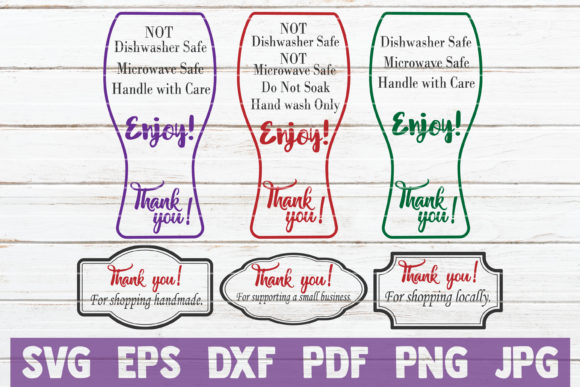
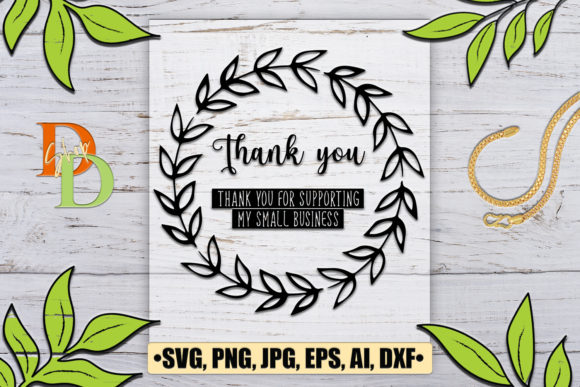
The Care Card design reads immediately as warm but precise—a soft-edged card shape, likely with subtle typography or minimalist iconography (no florals or clutter). It feels like something you’d tuck into a handmade tea towel or embroider discreetly on the chest of a newborn onesie. There’s no aggressive detail, no tight corners begging to fray. Instead, it leans into balance: enough structure for clarity in stitch, enough openness to breathe on fabric. That makes it unusually versatile—not flashy, but quietly confident.
I pictured it stitched on a natural linen kitchen towel for a wedding gift: clean thread, medium-density fill stitch, maybe a single satin-stitched border. No glitter, no puff, just sincerity made tactile. That’s the mood Care Card supports—and why it fits so naturally in the Crafts category, especially for makers who value meaning over mass appeal.
Where It Shines in Real Embroidery Projects
This design excels where subtlety elevates the product—not dominates it. Think:
- Embroidered patches for craft fair badges or kids’ backpacks—its clean outline holds up beautifully when cut and fused;
- Sweatshirt embroidery on the left chest: large enough to read, small enough to avoid bulk;
- Baby embroidery on organic cotton burp cloths or swaddle blankets—soft scale, low stitch density, no sharp angles near delicate skin;
- Tote bag designs placed just above the seam: legible at arm’s length, refined enough for a boutique shelf;
- Holiday embroidery on linen napkins or ceramic mug sleeves—its calm tone balances festive energy without competing;
- Personalized gifts where the message matters more than the motif—e.g., stitched beside a monogram on a pillow cover.
Because it’s delivered as a Graphics-type digital embroidery file (with AI, EPS, SVG, DXF, and one additional vector format), it’s inherently scalable—ideal for both small hoop work and larger applique layouts. But remember: vector files aren’t embroidery files out of the box. You’ll need to digitize thoughtfully—or confirm the seller included pre-digitized stitch files (they didn’t specify, so check before loading into your machine).
Where to Proceed with Care
Even gentle designs have limits. Here’s where Care Card asks for attention:
- Small hoop sizes (under 3”): If the original layout includes fine interior lines or tiny text, they may vanish in stitching—test first on scrap fabric;
- Textured or stretchy fabric: Linen slubs or jersey knits can blur delicate edges—add light tear-away stabilizer and reduce top tension slightly;
- Dark fabric: That soft outline may recede unless you choose high-contrast thread (ivory on charcoal, navy on cream); always mock it up in black and white;
- Curved surfaces (caps, hats): The card shape works best on flat or gently rounded areas—avoid stitching it across a deep crown seam;
- Frequent-wash items (baby clothes, tea towels): Confirm stitch density isn’t too sparse—running stitches alone won’t hold up; layer with satin or fill where needed.
What It Adds to Your Finished Product—Beyond Stitching
Using Care Card does more than fill space—it adds resonance. On a custom embroidered apron for a small-batch baker, it whispers “crafted with care,” reinforcing brand voice without shouting. For an Etsy seller, it’s a subtle differentiator: customers scrolling past dozens of floral patches pause at something this grounded. It builds customer trust because it feels intentional, not algorithmic.
It also lifts perceived product value. A plain cotton pillow cover becomes a keepsake when Care Card is stitched in tonal ecru thread—evidence of thoughtful curation. And for creative entrepreneurs, it’s a reliable design asset: easy to pair with other motifs, adaptable to seasonal color palettes, and neutral enough to support storytelling—not distract from it.
Practical Notes Every Embroidery Designer Should Run Through
Before committing Care Card to your next embroidery project, do these six things:
- Test on scrap fabric—same type and weight as your final piece;
- Check thread color contrast in natural light and under store lighting;
- Review stitch density in your embroidery software—if it’s sparse, add a light underlay or adjust fill angle;
- Confirm hoop size compatibility; if your machine’s smallest hoop is 4”, resize proportionally;
- Inspect small details at 200% zoom—look for stray nodes or unjoined paths in the vector files;
- Verify licensing: the description says “you can be used images for all your projects,” but clarify whether that includes selling finished embroidered goods commercially or reselling the digital file itself.
And one last note: Care Card doesn’t demand attention—it earns it. That’s rare. Use it where quiet intention matters most: on a gift for someone healing, a shop tag for a handmade soap line, or the inside hem of a child’s robe. Let the stitching speak softly. Let the care show.