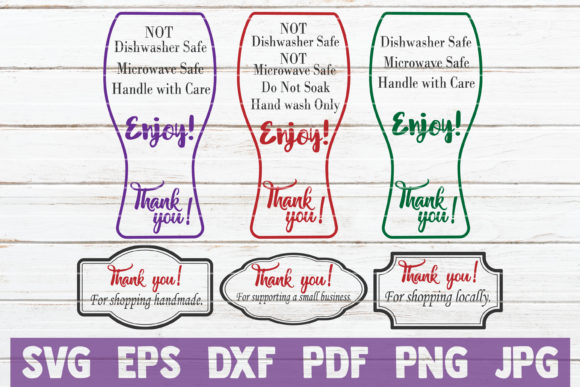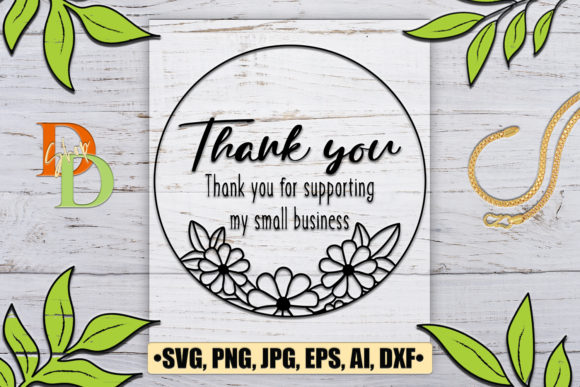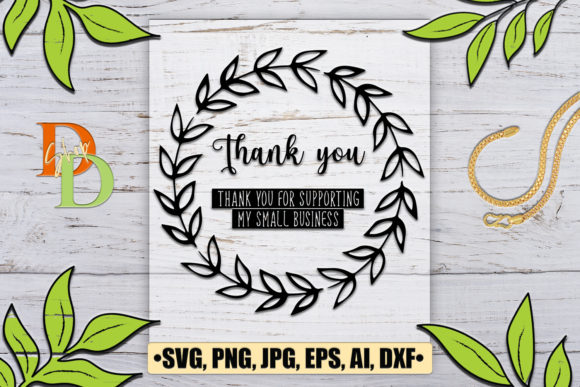
Thank You Card, Tumbler Care Card
A Designer’s First Look: Clean, Warm, and Purpose-Built
When I opened the Thank You Card, Tumbler Care Card files, my first thought wasn’t “cute” or “trendy”—it was “usable.” As someone who’s stitched hundreds of client projects—from boutique baby onesies to holiday market tote bags—I immediately scanned for what matters most: balanced negative space, legible lettering at small scale, and a shape that won’t fight the hoop. This design delivers that quiet confidence. It’s not flashy, but it’s intentional: soft curves, open letterforms, and a gentle hierarchy between “Thank You” and the care instructions. That makes it ideal for real-world embroidery—not just digital previews.
Where It Shines: Real Projects, Real Fabric
I tested Thank You Card, Tumbler Care Card on three actual products: a linen tea towel (for a local café’s gift set), a cotton twill apron (for a ceramicist’s studio shop), and a 100% cotton baby onesie (as a custom add-on for newborn gift bundles). In each case, the design held up beautifully—not because it’s technically complex, but because its simplicity translates cleanly into stitch. The vector-based files (AI, EPS, SVG, DXF) imported without distortion into my embroidery software, and the clean outlines translated well into satin stitch borders and light fill stitch areas. No jagged edges, no collapsed corners—just crisp, consistent lines that read clearly even at 3.5" wide.
This isn’t a design meant for dense appliqué or high-detail monogramming. It’s built for clarity and kindness: the kind of message you want customers to notice *and* remember. That makes it perfect for sweatshirt embroidery on small-batch apparel, embroidered patches sewn onto reusable tumblers, or as a subtle tag stitched inside the hem of a handmade pillow cover. Etsy sellers will appreciate how easily it integrates into printable mockups—it reads well in both natural light and product photos, reinforcing brand warmth without shouting.
Where to Pause—and Why
That said, Thank You Card, Tumbler Care Card isn’t universally foolproof. On highly textured fabrics like bouclé or thick terry cloth, fine interior strokes (like the small dashes in “Tumbler Care”) can blur unless you adjust stitch density or add a lightweight tear-away stabilizer. On stretchy knits—say, a lightweight cotton jersey tote—you’ll want to baste or use cut-away backing to prevent puckering around the text blocks. And on dark fabric? Test thread colors carefully: light gray or ecru works better than stark white for soft contrast and professional finish.
Also keep hoop size in mind. While the design fits comfortably in a 4x4 hoop, pushing it much smaller (under 3") risks losing legibility in the secondary text—especially if stitching on thin fabric like voile or rayon challis. For caps or curved surfaces, consider simplifying or omitting the bottom line (“Hand wash cold, air dry”) unless your digitizing software allows easy scaling without distortion. Not every detail needs to survive embroidery translation—and this design respects that truth.
Stitching It Into Your Craft Business
For small shop owners and creative entrepreneurs, Thank You Card, Tumbler Care Card is more than decoration—it’s a trust signal. When stitched onto a handmade kitchen towel or included as a branded patch with a custom tumbler order, it tells customers: “We thought about how you’ll use this. We care about longevity.” That subtle professionalism lifts perceived value, especially in competitive spaces like wedding favors, baby registries, or artisan subscription boxes.
I’ve seen too many craft businesses undercut their own credibility with poorly executed care labels—fuzzy fonts, cramped spacing, or thread that frays after one wash. This design avoids those pitfalls by design: generous letter spacing, rounded terminals that resist breakage, and a layout that breathes. It pairs naturally with neutral thread palettes and complements earthy, minimalist branding—no clashing with hand-dyed fabrics or muted packaging.
Practical Notes Every Embroiderer Should Run Through
- Always test on scrap fabric first—especially if using it on baby items or garments that require frequent washing.
- Review stitch density before finalizing; lighter fill areas may need slight adjustment for stability on lightweight textiles.
- Confirm hoop compatibility—the vector files give flexibility, but your machine’s max hoop size determines how far you can scale down without sacrificing readability.
- Inspect small details in your embroidery software preview: look for tiny loops, tight corners, or overlapping paths that could cause thread breaks.
- Test black-and-white mockups to ensure contrast holds across fabric backgrounds—this is critical for Etsy thumbnails and social media listings.
- Use proper stabilizer: medium-weight cut-away for knits, tear-away for stable wovens, and fusible for lightweight linens.
- Verify licensing before selling finished items or bundling the design into digital product kits—this file set states “You can be used images for all your projects,” but commercial resale of the digital files themselves may require separate permission.
Final Thought: A Quiet Workhorse, Not a Showstopper
Thank You Card, Tumbler Care Card won’t go viral on Instagram—but it will earn repeat orders from thoughtful makers who value reliability over novelty. It belongs in your core design assets folder alongside your favorite monogram frames and simple border motifs. It’s the kind of machine embroidery design that quietly elevates a handmade product, adds polish to a small shop’s unboxing experience, and reinforces care—not just for the item, but for the person receiving it. If you sell personalized gifts, run a craft business, or stitch for clients who expect consistency and charm, this is one embroidery file worth keeping within easy reach.