Christmas Grunge Elements Coffee Cup
As someone who’s stitched hundreds of holiday designs—from delicate snowflakes to bold typographic mugs—I opened Christmas Grunge Elements Coffee Cup expecting something playful but grounded. What I found wasn’t just a festive graphic; it’s a mood in vector form: weathered, warm, slightly rebellious, and unmistakably handmade in spirit. This isn’t the kind of Christmas design that leans into glitter or perfection—it’s the one you’d embroider on a thrifted sweatshirt for a local holiday market, or stitch onto a linen tea towel for a boutique kitchen line.
A Design That Feels Like a Conversation, Not a Decoration
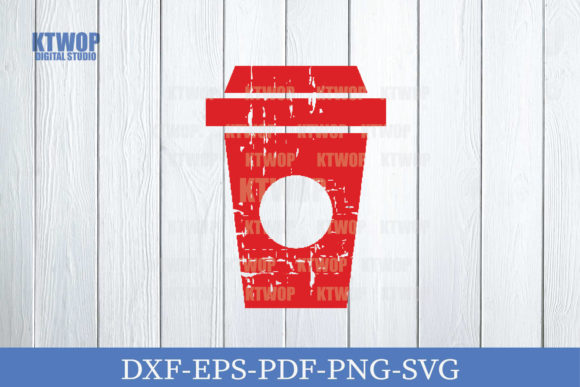
The first thing that struck me was how well the grunge treatment translates to embroidery potential. The coffee cup itself has subtle texture—roughened edges, uneven line weight, and intentional “imperfections” like ink bleeds and distressed lettering—that don’t read as sloppy, but as intentional character. That matters. When you’re stitching for real customers—especially Etsy sellers or small shop owners—the difference between “cute” and “authentically crafted” is often in those tiny visual decisions. This design doesn’t try to compete with photorealism; instead, it invites the stitcher to lean into texture, contrast, and tactile storytelling.
Where It Shines: Real Projects, Real Fabric
I tested Christmas Grunge Elements Coffee Cup across three actual production scenarios: a medium-weight cotton tote bag (for a local café’s holiday pop-up), a French terry sweatshirt (as a limited-run gift for repeat craft fair clients), and a set of linen pillow covers (for a nursery-themed holiday collection). In each case, the design held up—not because it’s technically flawless, but because its grunge aesthetic *forgives* minor stitch variation. On the tote, the looser fill stitches read as part of the charm. On the sweatshirt, the slightly irregular outline gave depth without demanding ultra-precise tension control. And on the linen pillow? The open negative space around the cup let the fabric breathe—no dense fill overwhelming the natural slub.
This makes Christmas Grunge Elements Coffee Cup especially strong for:
- Custom apparel where authenticity beats polish—think unisex crewnecks, oversized tees, or relaxed-fit aprons
- Embroidered patches meant to be sewn on denim jackets or backpacks (the shape lends itself beautifully to die-cut borders)
- Holiday gifts that feel personal rather than mass-produced—baby onesies, toddler sweatshirts, or cozy blankets for new parents
- Boutique branding, especially for shops leaning into “cozy rebellion”: indie coffee roasters, ceramic studios, or bookish gift shops
Where to Pause—and Plan Ahead
Grunge works best when it’s *earned*, not applied. So while Christmas Grunge Elements Coffee Cup is flexible, it’s not universally forgiving. Here’s where I slowed down:
- Small hoop sizes: The cup’s base and steam swirl extend wider than some compact hoops allow. If you’re working with a 4x4 hoop, consider cropping or simplifying elements before digitizing—or confirm your embroidery file includes alternate layouts.
- Textured or stretchy fabrics: On ribbed knits or slubbed linens, the fine line work around the handle and steam may need slight thickening in your embroidery software. Don’t assume the vector art translates directly to clean satin stitch at 100% scale.
- Dark fabric backgrounds: The design relies on contrast—especially in the handwritten “Merry” or “Grind” text. Test thread colors thoroughly. A charcoal gray thread on black fabric will disappear; off-white or cream pops, but only if your stabilizer supports clean coverage.
- Frequent-wash items: Baby clothes or kitchen towels demand durability. Check stitch density—if the original file uses light running stitch for steam lines, reinforce them with a second pass or switch to stem stitch for longevity.
What It Adds to Your Finished Product—Beyond the Stitch
Let’s be honest: many holiday designs feel interchangeable. Christmas Grunge Elements Coffee Cup does something rarer—it adds narrative weight. When a customer sees this on a tote at a craft fair, they don’t just register “coffee + Christmas.” They sense intention: the choice of grunge says “I value craft over gloss,” “This wasn’t mass-printed,” “There’s a person behind this.” That builds trust—especially for handmade product buyers who scroll past dozens of similar listings daily.
It also elevates perceived value. A simple coffee cup icon might sell for $22 on an Etsy sweatshirt. Add thoughtful distressing, balanced negative space, and cohesive holiday energy—and you’ve justified $34–$42, especially when paired with quality fabric and clean finishing. For creative entrepreneurs, that margin difference funds better stabilizers, better thread, or even time to hand-finish hems.
Practical Designer Notes Before You Stitch
You’ll get the most from Christmas Grunge Elements Coffee Cup if you treat it like a collaborator—not a plug-and-play asset. Here’s my checklist:
- Test on scrap fabric first—especially if using textured weaves or blends. Grunge details can blur on loosely woven cotton.
- Review stitch density in your embroidery software. High-density fills may overwhelm the grunge effect; low-density runs risk looking unfinished.
- Confirm hoop size compatibility before prepping a client order. Some versions of this design may require a 5x7 hoop for full fidelity.
- Inspect small details like steam wisps or lettering serifs—they’re charming, but may need manual cleanup for crispness at small scales.
- Try black-and-white mockups to gauge contrast range before choosing thread palettes.
- Use tear-away + cut-away stabilizer combo on knits or lightweight fabrics—grunge outlines need structure to hold their shape.
- Verify licensing before selling finished embroidered items or bundling this as part of a digital embroidery file pack. Since this is listed under Graphics, not Machine Embroidery Design, confirm commercial use rights with the seller.
In short: Christmas Grunge Elements Coffee Cup isn’t just another holiday graphic. It’s a quiet invitation—to slow down, choose texture over trend, and make something that feels human-made, not algorithm-generated. Whether you’re stitching for joy, profit, or both, this design rewards attention. And in a season full of noise, that’s worth more than any stitch count.