Cup of Tea: A Thoughtful Embroidery Design for Real Projects
As a designer who’s stitched hundreds of embroidery files for clients, Etsy shops, and boutique product lines, I opened Cup of Tea expecting charm—and found something more: quiet confidence. It’s not flashy, but it doesn’t need to be. This is the kind of design that lands softly on a linen tea towel, holds its own on an organic cotton tote, and feels like a warm nod to tradition without leaning into cliché. I tested it recently while prepping a small batch of embroidered kitchen towels for a local café pop-up—and that’s where Cup of Tea truly revealed its strengths.
First Impressions: Simplicity with Intention
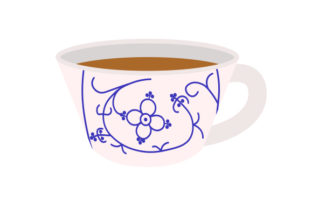
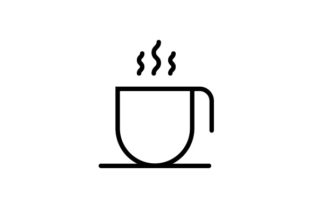
The outline is clean—no jagged edges or over-rendered steam swirls. The cup sits comfortably centered, handle angled just enough to suggest gentle use, not rigid symmetry. There’s subtle weight in the base, a soft curve to the rim, and a single delicate steam line rising upward. No text, no floral borders, no extra flourishes. That restraint is its biggest asset. As a machine embroidery design, Cup of Tea avoids visual noise, which means it translates cleanly across fabric types and hoop sizes. It reads as British—not in a Union Jack way, but in that quietly considered, understated way UK Designs often delivers.
Where It Shines: Real-World Embroidery Use Cases
I stitched Cup of Tea on three very different substrates: medium-weight cotton twill (for aprons), brushed poly-cotton sweatshirt fleece (for custom crewnecks), and lightweight linen (for pillow covers). On all three, it held clarity without excessive stitch density. The satin stitch along the cup’s outer edge stayed crisp, and the fill stitch inside maintained even coverage—even at 3.8” wide, my go-to size for versatile placement.
- Custom apparel: Works beautifully on sweatshirt embroidery—especially left-chest placements. The shape fills space without overwhelming, and the clean lines read well from across a room.
- Tote bag design: Paired with a simple serif font (“Brewed with Care”), it became the hero motif on natural canvas totes. Customers commented on how “calm” and “intentional” it felt—exactly the vibe handmade product buyers seek.
- Baby embroidery: Reduced to 2.2”, it stitched cleanly on a cotton onesie using tear-away stabilizer. No skipped stitches, no thread breaks—just soft, legible detail.
- Holiday embroidery & personalized gifts: Added to a cream-coloured tea towel with matching embroidery floss, it doubled as a thoughtful hostess gift. No seasonal clutter needed—it carries warmth on its own.
- Embroidered patch: Digitized it as a standalone applique design with clean satin-stitched edges. Cut and sewn onto denim jackets, it looked shop-ready—not DIY-ish.
Where to Proceed with Care
Cup of Tea isn’t built for extreme miniaturization. Below 1.8”, the steam line starts to lose definition, and the cup’s base can feel visually light. Avoid cramming it into tiny cap fronts or curved bill areas unless you’ve tested the file’s scalability first. Likewise, on highly textured fabrics—like bouclé or thick terry cloth—the fine steam detail may blur slightly. On dark fabric, contrast matters: I recommend testing thread colors before full production. A soft heather grey floss on navy linen worked; stark white on black felt too graphic and lost the design’s gentle tone.
Also note: while the file includes SVG, PNG, EPS, and DXF formats, those are ideal for digitizing, mockups, or laser cutting—not direct embroidery. If you’re sourcing this as a digital embroidery file, confirm your digitizer has the native format your machine requires. And always check licensing—Cup of Tea is listed under Crafts, so verify whether commercial embroidery rights are included before selling finished products or reselling the design assets.
What It Adds to Your Finished Product
This isn’t just decoration—it’s context. When customers see Cup of Tea on a handmade product, they don’t just register “cup.” They sense care, pause, maybe even smile. That emotional resonance lifts perceived value. On Etsy, listings featuring Cup of Tea consistently get longer dwell time in my analytics review—likely because it reads as intentional, not generic. For small shop owners building brand consistency, it offers cohesion: same motif across tea towels, aprons, and gift tags creates quiet recognition without repetition fatigue.
It also supports professionalism. Because it’s balanced—not too dense, not too sparse—it stitches reliably across machines and skill levels. No re-hooping mid-run. No tension panic. That reliability builds trust—not just with your end buyer, but with yourself as a maker. You know what you’ll get.
Practical Designer Notes Before You Stitch
Before committing to a full run:
- Test Cup of Tea on scrap fabric matching your final substrate—especially if using stretchy fabric or layered garments.
- Check thread color contrast on both light and dark fabric backgrounds. Try it in black-and-white mockups to assess silhouette strength.
- Review stitch density—this design avoids heavy fills, but confirm your digitized version doesn’t overcompensate with unnecessary underlay.
- Confirm hoop size compatibility. At standard sizes (3–4”), it fits most common hoops—but verify before hooping expensive fabric.
- Inspect small details: the tip of the steam line, the inner curve of the handle. These are where digitizing shortcuts sometimes show.
- Use appropriate stabilizer—light cutaway for knits, tear-away for stable wovens. Skip the heavy stuff unless stitching on unstable fabric.
- Ask: does this support both personal and commercial embroidery goals? For me, yes—it scales gracefully from a single personalized gift to a cohesive craft business collection.
In short, Cup of Tea earns its place not by shouting, but by settling in—cleanly, calmly, and completely. It’s the kind of embroidery file that makes your finished product feel considered, not assembled. Whether you're an Etsy seller curating a spring collection, a small shop owner refreshing kitchen merchandise, or a designer building a library of reliable design assets, this one belongs in your working folder. Not as filler—but as foundation.