Frisian Tea Cup: A Thoughtful Embroidery Design for Real Projects
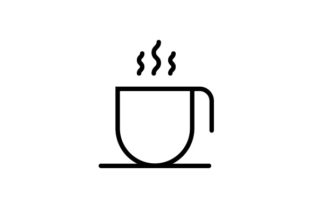
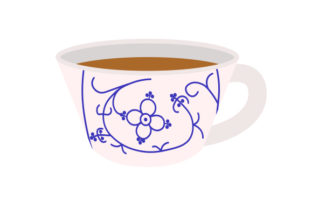
As someone who’s stitched hundreds of designs onto everything from baby onesies to boutique aprons, I opened Frisian Tea Cup expecting charm—and found something more: quiet confidence. It’s not flashy, but it carries a distinct regional warmth—think cozy German kitchens, hand-poured tea, and the kind of detail that invites a second look. The design features a stylized ceramic cup with subtle floral motifs, a gentle steam curl, and clean outlines that suggest tradition without stiffness. There’s no overloading—no dense fill stitches competing for attention, no fussy linework that’ll vanish on textured fabric. Just balanced proportions, intentional negative space, and a shape that reads clearly at 3–4 inches wide.
Where This Design Truly Shines in Real Life
Last week, I prepped a custom order for a Berlin-based café owner: embroidered linen tea towels for her holiday pop-up. She wanted “something quietly German, not kitschy.” Frisian Tea Cup landed perfectly—not as a cliché, but as a nod to craft, ritual, and place. I stitched it on medium-weight cotton towel fabric using a 4-inch hoop, standard tear-away stabilizer, and matte cotton thread. The result? Crisp satin-stitched rim, soft fill-stitched handle, and just enough running stitch for the steam—no puckering, no thread breaks. Customers paused mid-browse. That’s the sign of a design that supports the product, not overshadows it.
It works equally well on other real-world applications: a small embroidered patch sewn onto a denim tote (great for Etsy sellers wanting cohesive branding), a centered motif on a baby sweatshirt (soft, legible, non-overwhelming), or even as a standalone applique design on a kitchen apron. Because the layout is compact and vertically oriented, it scales down to 2.5 inches without losing character—ideal for caps or children’s clothing. And because the line weight stays consistent, it holds up across varied stitch types: satin stitch for definition, fill stitch for body, and light running stitch for delicate accents like steam or stem details.
Where to Use Frisian Tea Cup With Intention
This isn’t a one-size-fits-all embroidery file. Its strengths lie in restraint—and that means knowing where to pause. On stretchy fabrics like jersey or lightweight knits, I’d recommend adding cut-away stabilizer behind the hoop and reducing stitch density slightly in the fill areas. On dark fabric, test thread colors first: a warm cream or oatmeal thread reads better than stark white, preserving the design’s gentle mood. On curved surfaces—like the front panel of a structured cap—the cup’s base may need slight digitizing adjustment to avoid distortion; if you’re using the included SVG or EPS files for re-digitizing, that’s straightforward. But if you're stitching directly from the embroidery file (not provided here—only vector and raster formats are listed), confirm whether your digitizer has optimized it for 3D surfaces.
Also note: the floral elements near the cup’s rim are graceful, not intricate. They won’t hold up at under 1.5 inches wide on thin fabric like voile or silk—so skip it for baby bonnets unless enlarged and simplified. And while the design avoids tiny lettering or micro-details, always inspect corners and curves before stitching on textured toweling or looped terry. A quick test on scrap fabric reveals how those satin-stitched edges behave when pulled across uneven surfaces.
How Frisian Tea Cup Shapes Perception—Before and After Stitching
Embroidery isn’t just about what’s stitched—it’s about what it says about the maker and the product. Frisian Tea Cup elevates handmade presentation without shouting. On a personalized gift—a linen pillow cover for a wedding, say—it feels considered, not generic. For a small shop product, it adds quiet authenticity, especially paired with Germany-inspired packaging or typography. Etsy sellers will find it resonates with buyers searching for “European kitchen decor” or “handmade tea gifts”—but only if presented thoughtfully: use a clean printable mockup showing it on natural fiber, not a neon background.
It builds customer trust because it doesn’t overpromise. No exaggerated sheen, no unrealistic detail. What you see in the transparent PNG is what you’ll get in thread—assuming proper stabilizer, tension, and fabric prep. That predictability matters for commercial embroidery projects where consistency across dozens of units is non-negotiable. And for creative entrepreneurs building a brand around calm, intentional craft? This design reinforces that voice—especially when used across multiple items: a matching tea towel, apron, and oven mitt set.
Practical Designer Notes Before You Stitch
- Always test first—on scrap fabric matching your final project’s weight and texture.
- Check thread color contrast on both light and dark backgrounds; some muted tones lose clarity on black or navy.
- Review stitch density in fill areas—if it feels heavy for your fabric, adjust in your embroidery software before stitching.
- Confirm hoop size: this design fits comfortably in a 4×4 hoop, but verify exact dimensions in your SVG or DXF viewer.
- Inspect small details in the EPS or SVG file—especially the steam curve and rim edge—to ensure they translate cleanly to stitch.
- Test in black-and-white mockups to assess visual weight and balance without color distraction.
- Use appropriate stabilizer: tear-away for stable wovens, cut-away for knits or lightweight fabrics.
- Verify licensing before selling finished products or digital embroidery files—this listing includes SVG, PNG, EPS, and DXF, but commercial rights aren’t stated here, so check the source.
In short: Frisian Tea Cup is a crafts-focused design that earns its place—not through novelty, but through thoughtful execution. It belongs on products where warmth, heritage, and clarity matter most. Whether you’re an embroidery designer sourcing assets, an Etsy seller building a seasonal collection, or a small shop owner curating kitchen-themed merchandise, this is a machine embroidery design that supports intention—not just decoration.